









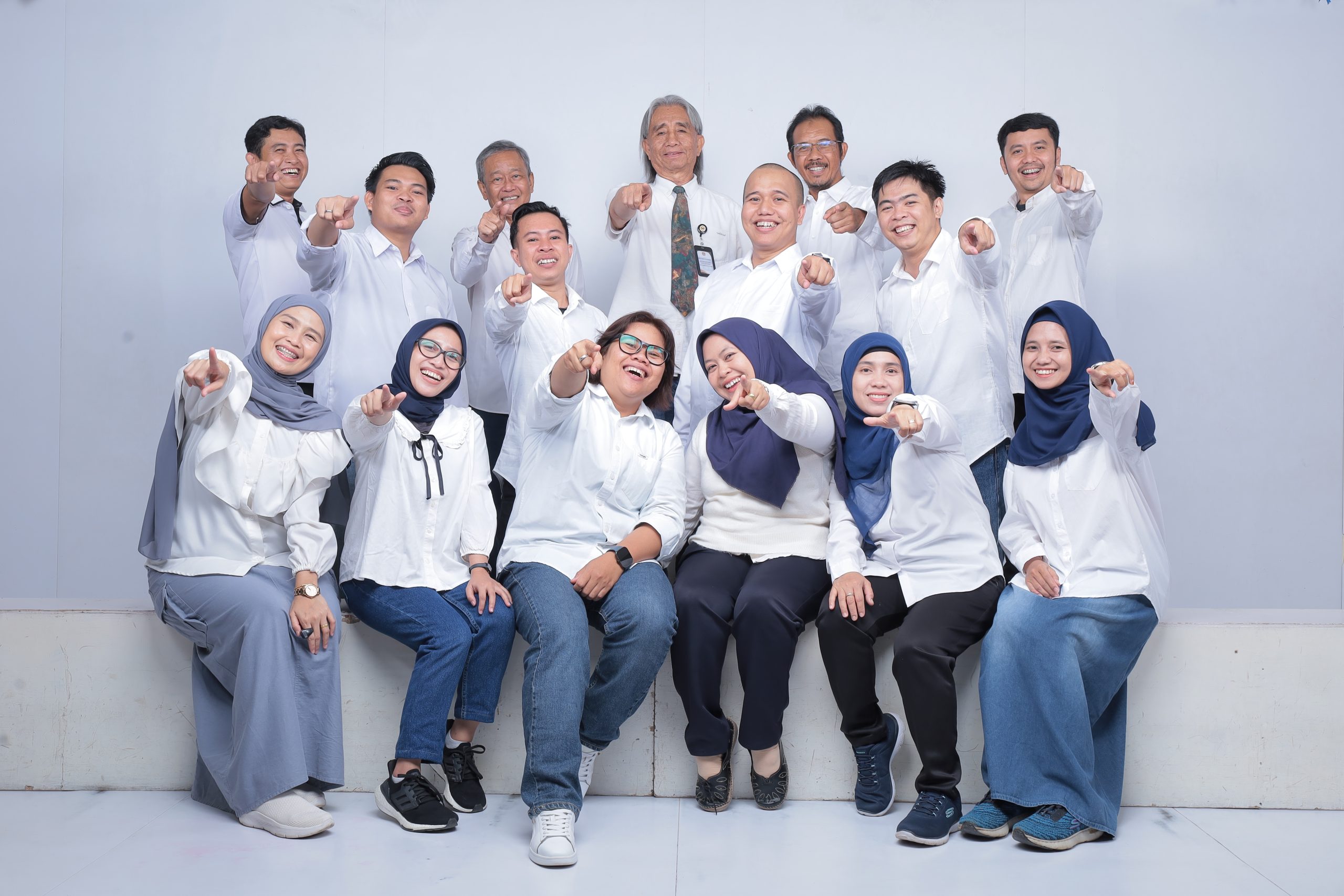




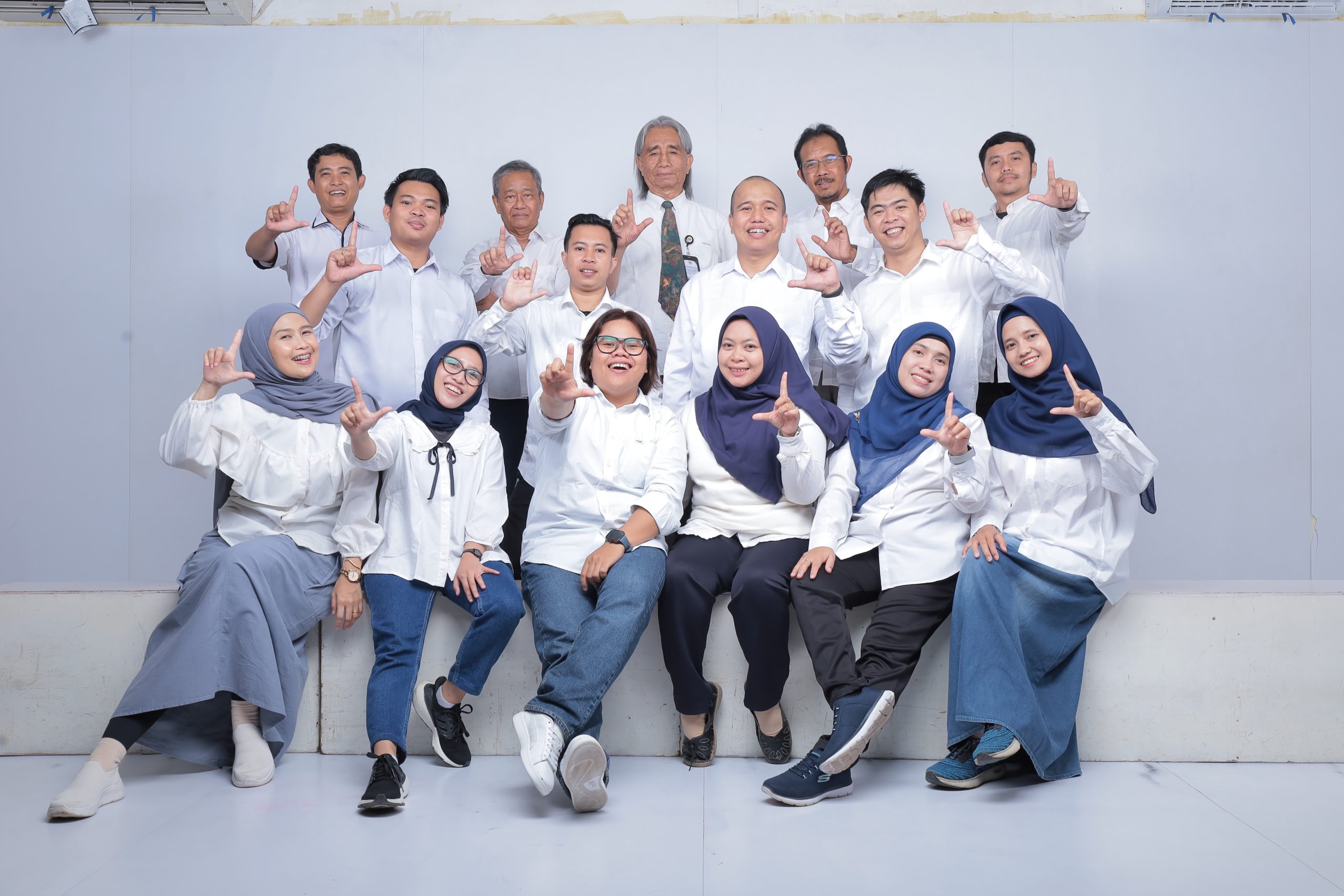
















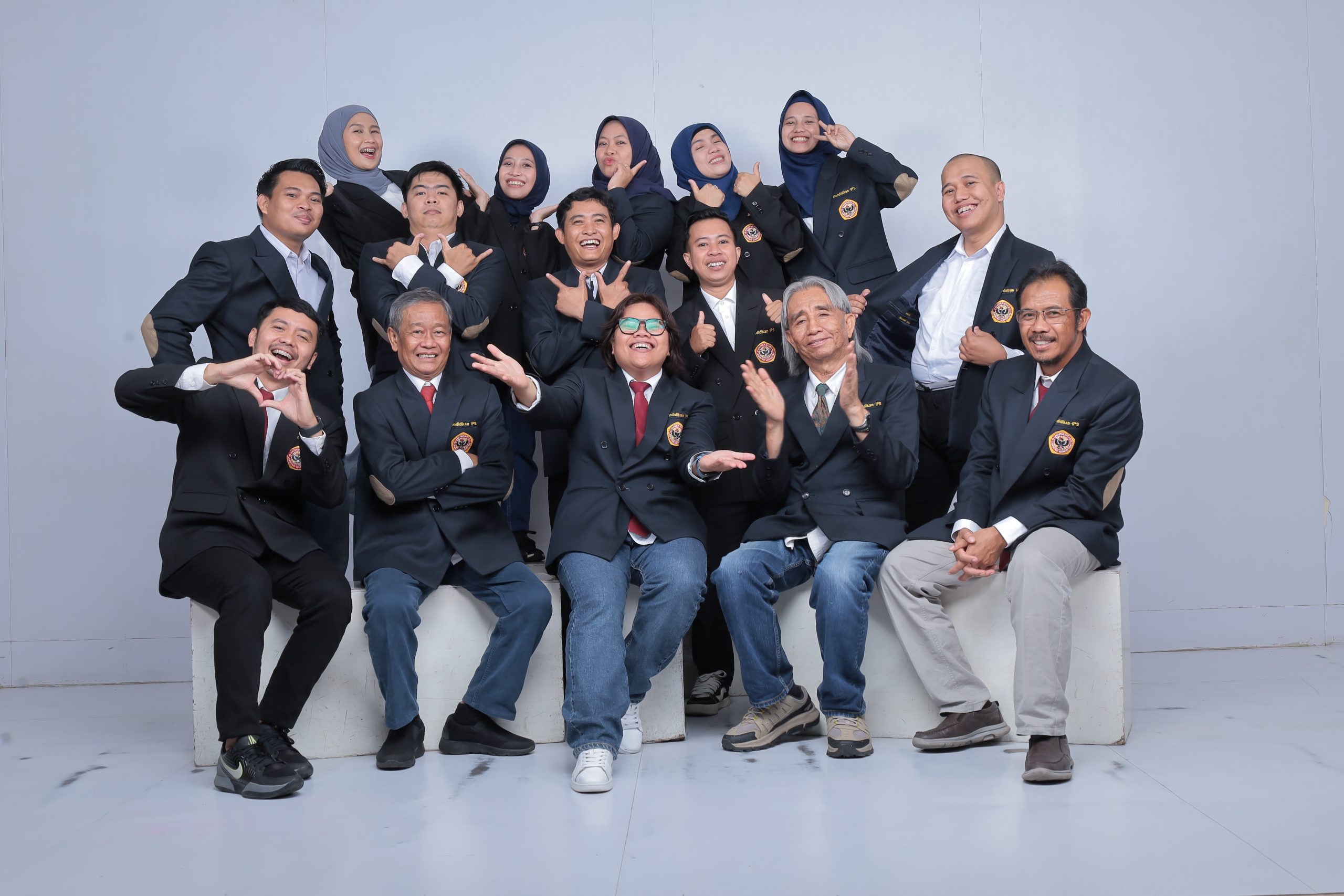






The establishment of the Social Science Education Study Program represents a promising solution to the challenge of ensuring the availability of qualified and professional educators who are equipped with the requisite competencies to meet the evolving needs of the education sector in Indonesia, particularly at the undergraduate (S1) level. The objective of this program is to produce Social Science teachers for elementary schools, junior high schools, and vocational high schools in the Kalimantan region, which is experiencing a significant shortage of such educators. Moreover, Lambung Mangkurat University (ULM), through the Faculty of Teacher Training and Education (FKIP), evinces a profound dedication to addressing educational concerns and assumes an active role in the cultivation of character-based human resources. It is therefore anticipated that the Social Science Education Study Program will produce professional academics who are able to comprehend student development, the diversity of students’ social and cultural backgrounds, and to apply this understanding in the theory and practice of Social Science education. Additionally, the programme is expected to grasp the interconnections between Social Science education and other fields, technology, society, and the environment, as well as to design curricula and Social Science education that meet the demands of society and technology in the global era.
Overview
The Social Sciences Education Study Program was established as a strategic response to the limited availability of qualified and professional educators in Indonesia, particularly at the undergraduate (S1) level. This program addresses the urgent demand for competent Social Sciences teachers in elementary schools, junior high schools, and vocational high schools, especially in the Kalimantan region, which continues to face a significant shortage.
Lambung Mangkurat University (ULM), through the Faculty of Teacher Training and Education (FKIP), demonstrates a steadfast commitment to improving the quality of education and actively contributes to the development of character-driven human resources. In this context, the Social Sciences Education Study Program plays a vital role in preparing prospective educators who are not only academically competent but also capable of understanding the stages of student development and the rich diversity of learners’ social and cultural backgrounds.
Graduates of this program are expected to integrate this knowledge into both theoretical and practical aspects of Social Sciences education. They are also prepared to recognize and respond to the interdisciplinary nature of Social Sciences by connecting educational content with technology, society, and environmental issues. Furthermore, the program equips students with the ability to design and develop innovative, responsive, and future-oriented curricula that align with societal needs and technological advancements in the global era.
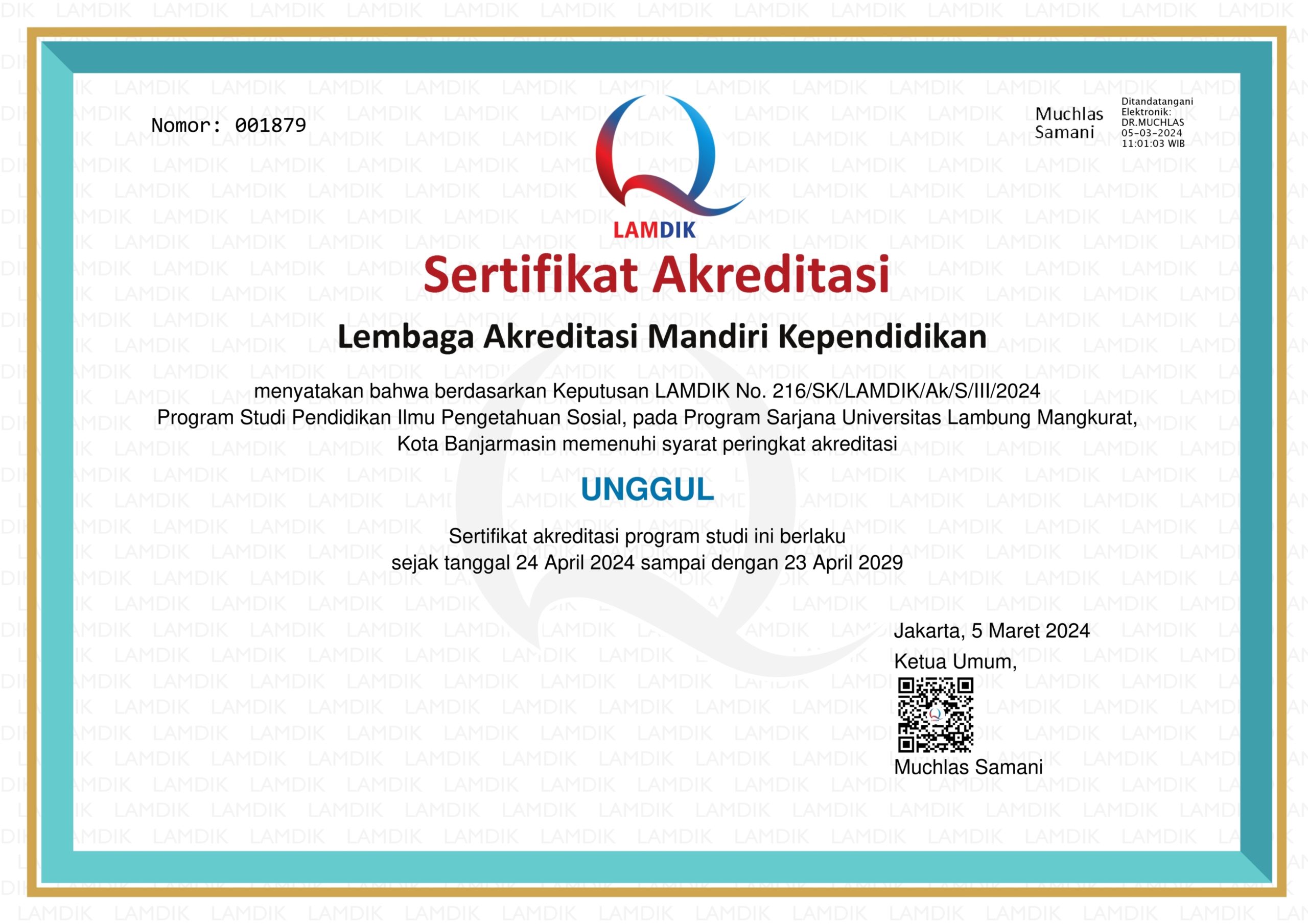
Student Admissions Data Recap
Graduation Data Recap


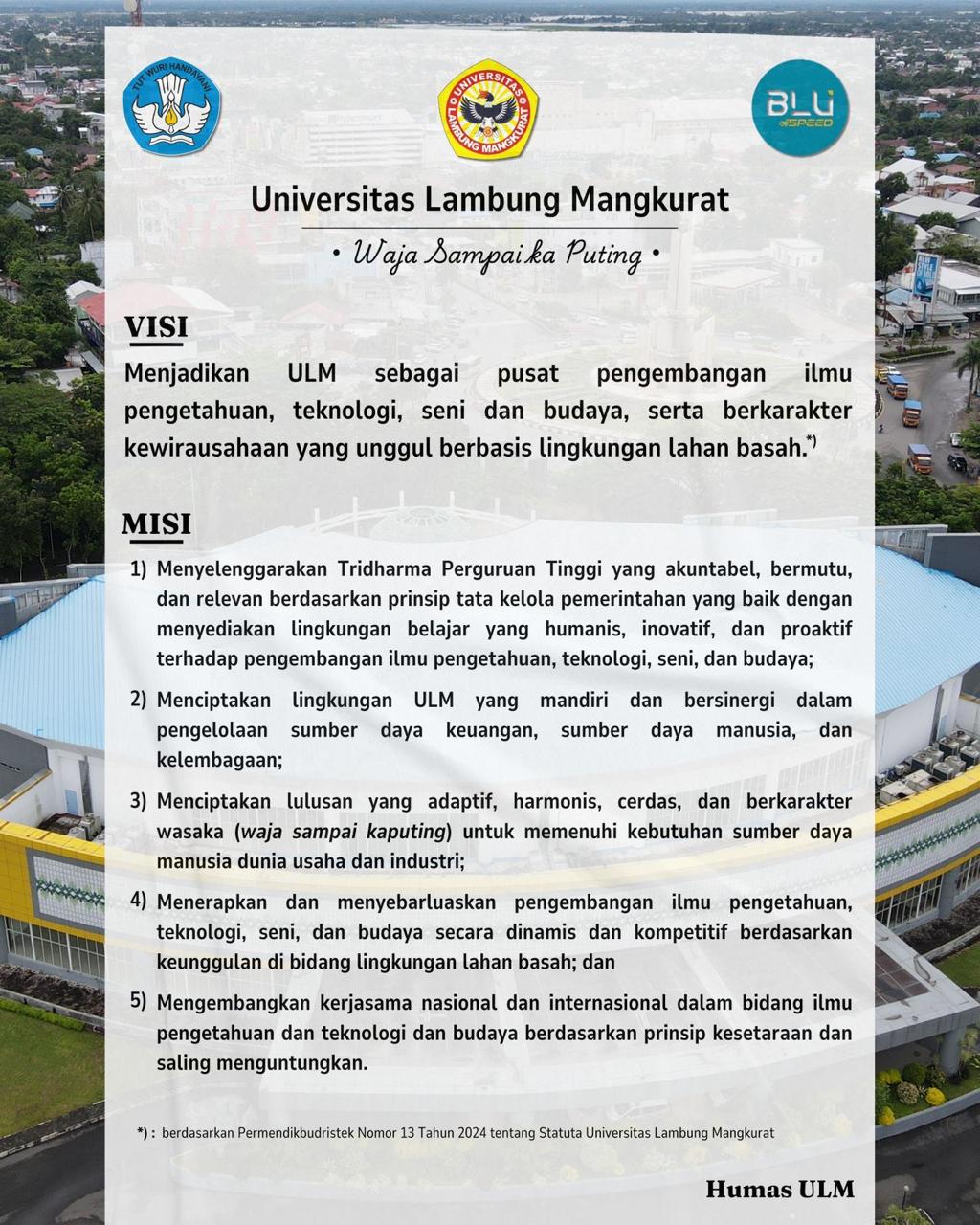
Ethnopedagogy in Social Science Education

The Excellence in Ethnopedagogy Social Science Education logo symbolizes a commitment to developing high-quality Social Science Education rooted in local culture and wisdom. The circle represents unity, togetherness, and mutually supportive relationships in Social Science Education, while the Traditional Dayak Ornament reflects the richness of local culture and wisdom that must be preserved and safeguarded. The inscription “Excellence in Ethnopedagogy Social Science Education” expresses the vision and commitment to developing high-quality Social Science Education based on local culture and community values. The white star symbolizes hope, enthusiasm, and aspirations for achieving excellence and accomplishments. The tree represents the growth of knowledge, life, and the development of students’ character, while the green leaves symbolize hope, creativity, and diversity in learning. The traditional boat and its contents represent the life of local communities, the educational journey, and the spirit of cooperation, while its contents symbolize the richness of natural resources, cultural products, and regional potential. The water waves represent social life that continuously moves, develops, and evolves dynamically, reflecting the ever-changing nature of society and the ability of Social Science Education to respond to social developments while maintaining harmony. Finally, the black background symbolizes strength and firmness, reflecting determination, resilience, and a strong commitment to advancing Social Science Education while preserving local cultural values.


