Practitioner Brings Classroom Experience to Social Studies Learning Evaluation Course

Practitioner Brings Classroom Experience to Social Studies Learning Evaluation Course

Connecting Academic Theory with Practical Assessment in Schools

September 25 & 30, 2026   |
Social Studies Learning Evaluation Course   |
2024 Cohort, Classes A1 and A2
Bringing Professional Teaching Experience into the Classroom

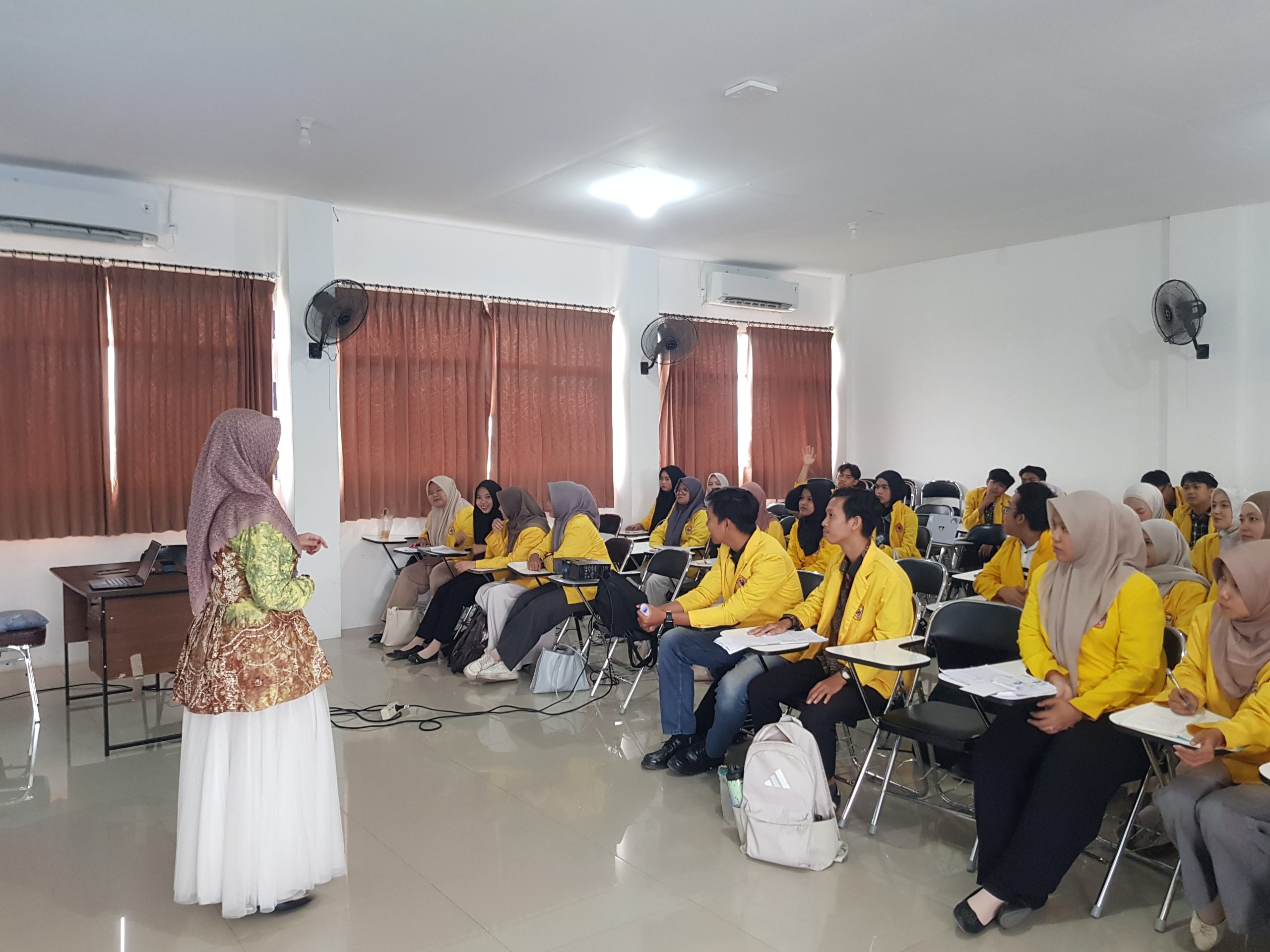
Banjarmasin, September 2026 — The Social Science Education Study Program, Faculty of Teacher Training and Education (FKIP), Universitas Lambung Mangkurat (ULM), welcomed Rina Dewi Astuti, S.Pd., M.Pd., a Social Studies teacher at SMPN 6 Banjarmasin, as a guest lecturer through the Teaching Practitioners (Praktisi Mengajar) program. The sessions were part of the Social Studies Learning Evaluation course and were held on September 25 and September 30, 2026, with participation from students of the 2024 cohort, Classes A1 and A2.

The Teaching Practitioners program is designed to bridge academic theory and professional practice by bringing experienced practitioners into university classrooms. For pre-service teachers, this initiative provides a valuable opportunity to understand how the concepts they study are applied in real school settings.

Exploring Learning Evaluation and Non-Test Assessment Instruments

Across the two sessions, Ms. Rina presented four main topics related to learning evaluation. The first topic introduced the purposes, principles, and role of evaluation in the teaching and learning process. This discussion helped students understand how evaluation supports the monitoring of learning progress and the achievement of educational objectives.

The second topic focused on non-test evaluation instruments, including observation sheets, questionnaires, interviews, and portfolios. These instruments enable teachers to assess various aspects of learning that may not be fully captured through written tests, such as students’ attitudes, skills, and participation.

The third topic addressed the design and implementation of non-test instruments. Students learned about the process of establishing assessment objectives and indicators, developing appropriate instruments, and applying them in classroom settings.

The final topic presented examples of non-test assessment rubrics drawn from Ms. Rina’s teaching experience at SMPN 6 Banjarmasin. Through these examples, students explored how clearly defined criteria and performance levels can support fairer, more consistent, and more transparent assessment practices.

Learning through Practical Assessment Experiences

Understanding Learning Evaluation

Students explored the purposes, principles, and role of evaluation in supporting the teaching and learning process.

Developing Non-Test Instruments

Students learned about observation sheets, questionnaires, interviews, and portfolios as tools for assessing diverse learning outcomes.

Designing Assessment Rubrics

Students examined how assessment criteria and performance levels can be developed to support fair and transparent evaluation.

Encouraging Interactive and Reflective Learning

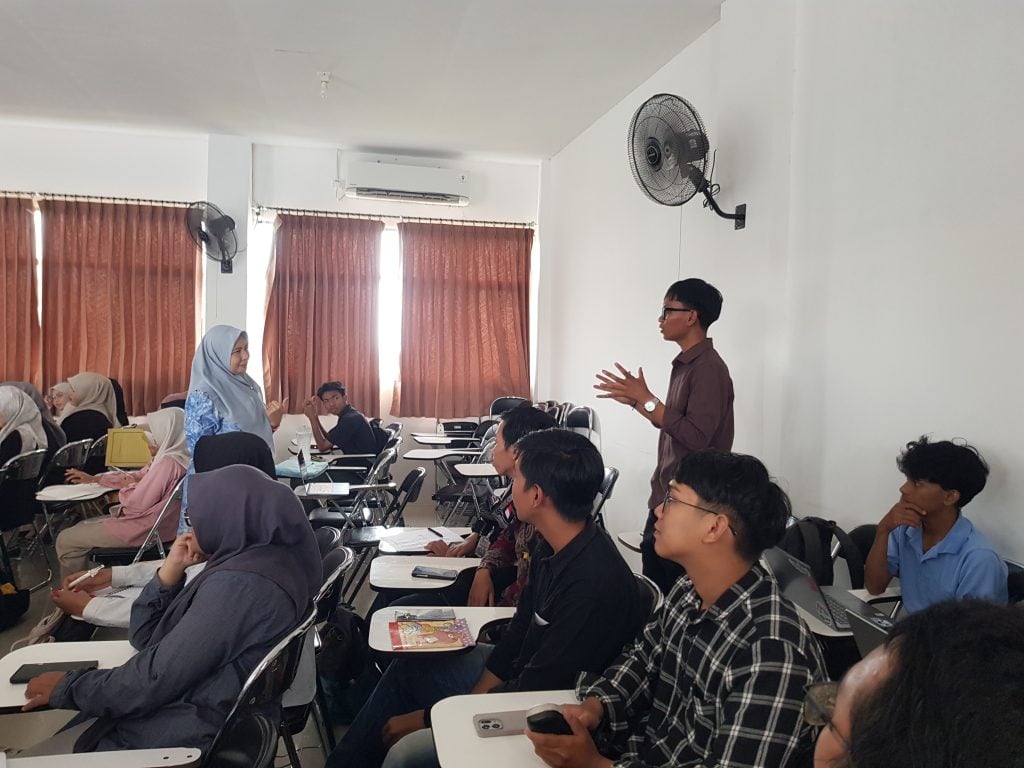
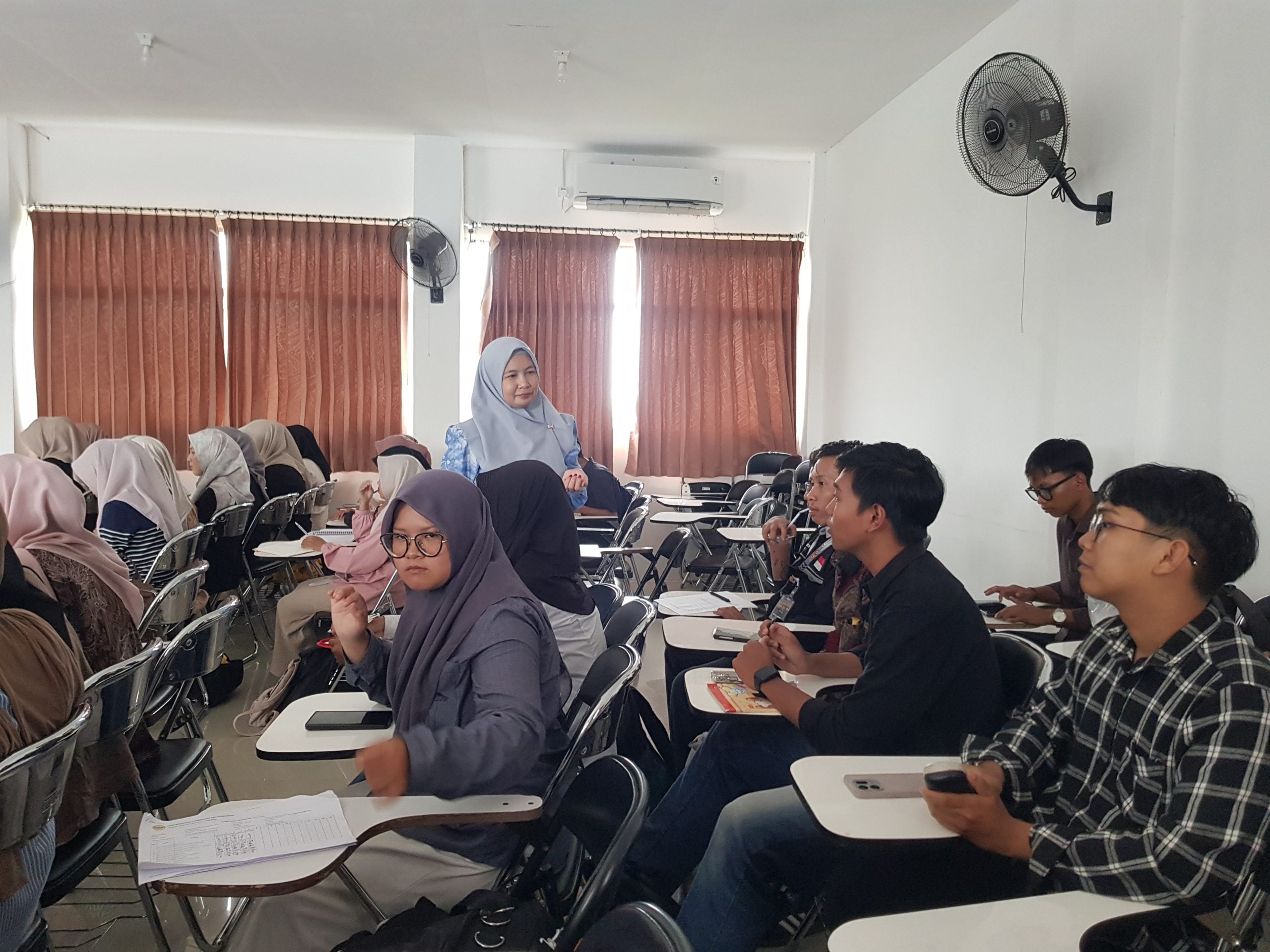
The sessions were lively and interactive, with students actively participating in discussions and asking questions about the implementation of learning evaluation in schools. Several students drew on Ms. Rina’s classroom experiences to explore practical challenges teachers encounter when assessing students’ attitudes, skills, and participation.

The discussions provided opportunities for students to connect theoretical concepts with practical situations. Through these exchanges, students gained a clearer understanding of the considerations involved in selecting appropriate assessment methods and applying them in diverse classroom contexts.

Engaging Students in Classroom Assessment Discussions

Students Gain a More Concrete Understanding of Assessment Practices

Students expressed enthusiasm and appreciation for Ms. Rina’s participation as a guest lecturer. Many felt that learning directly from a practicing teacher provided a clearer and more concrete understanding of how evaluation is conducted beyond textbook explanations. The sessions also helped them develop a better picture of the responsibilities and challenges they may encounter when entering the teaching profession.

The opportunity to discuss real classroom experiences enabled students to reflect on the importance of designing assessment methods that are appropriate to learning objectives and responsive to students’ individual needs.

Sharing Professional Experience to Prepare Future Educators

Ms. Rina expressed her pleasure at having the opportunity to share her professional experience with university students. She hopes that the sessions will help prepare future Social Studies teachers to design assessments that are meaningful, fair, and responsive to their students’ learning needs.

Her contribution highlighted the value of bringing professional teaching experiences into higher education, allowing students to gain practical insights into the assessment process and the responsibilities of educators in supporting student development.

Contributing to the Sustainable Development Goals

The Teaching Practitioners program supports the improvement of education quality by connecting academic learning with professional experience in schools. The activity is relevant to SDG 4: Quality Education, particularly through the development of students’ knowledge and competencies as future educators.

The activity also reflects SDG 17: Partnerships for the Goals by fostering collaboration between higher education institutions and education practitioners to support relevant and meaningful learning experiences.

SDG 4

Quality Education

SDG 17

Partnerships for the Goals

Strengthening Collaboration between Universities and Schools

The Social Science Education Study Program at FKIP ULM hopes to continue fostering collaboration with education practitioners to enrich students’ learning experiences. Such partnerships create opportunities for students to connect academic knowledge with professional practice and gain a deeper understanding of the demands of the teaching profession.

Through initiatives such as the Teaching Practitioners program, the study program aims to prepare graduates with strong theoretical foundations and practical competencies, enabling them to design meaningful assessments and respond effectively to the learning needs of students in schools.

Department of Social Science Education
Faculty of Teacher Training and Education
Universitas Lambung Mangkurat