Teaching Practitioner Discusses the Development and Application of Social Science Learning Media
Connecting Learning Media Concepts with Practical Experience in Schools
September 16 & 23, 2026 |
Two Sessions |
Lecture Room 41, FKIP ULM
Two Sessions |
Lecture Room 41, FKIP ULM
Teaching Practitioner in Social Science Learning Media
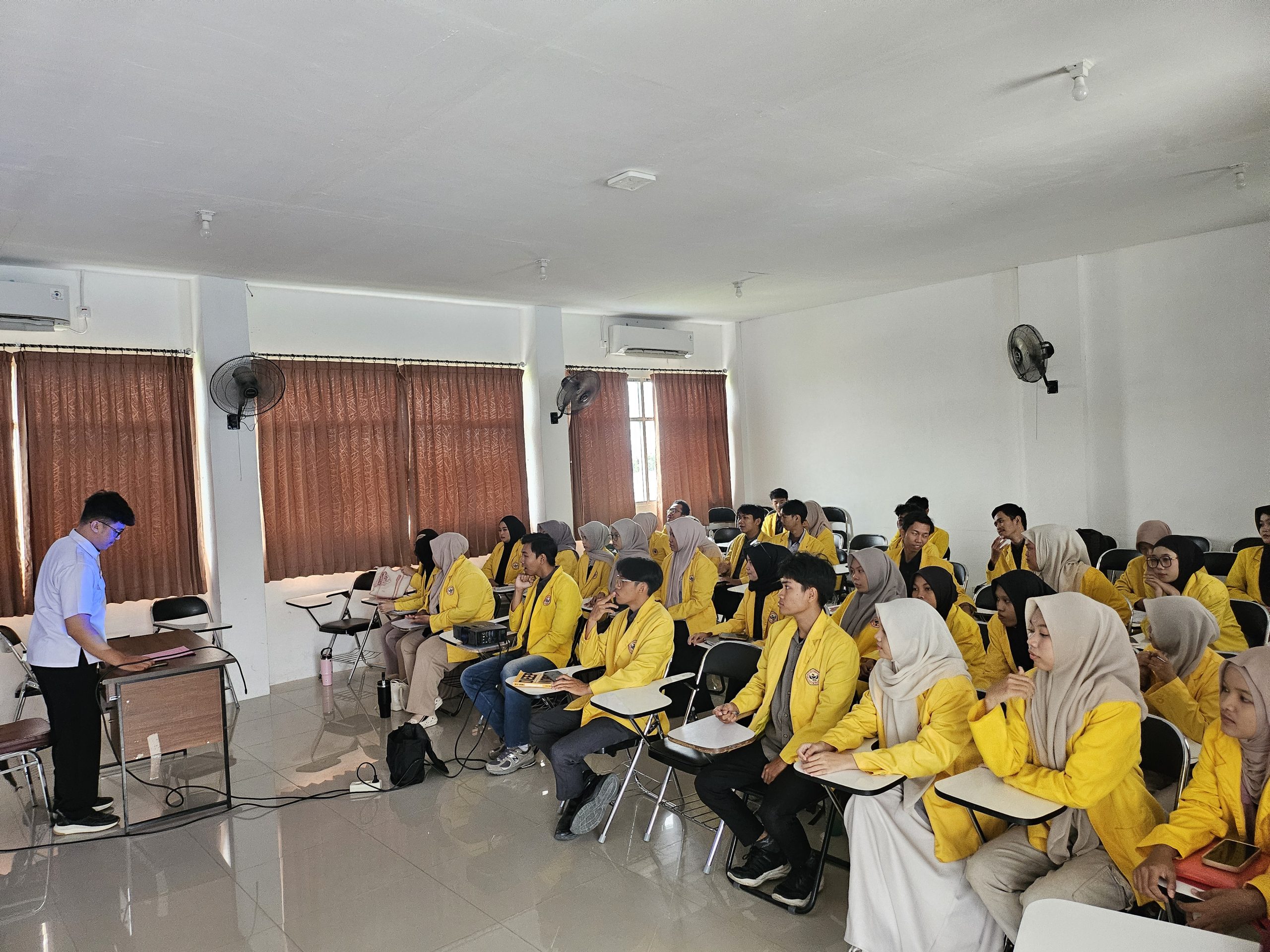
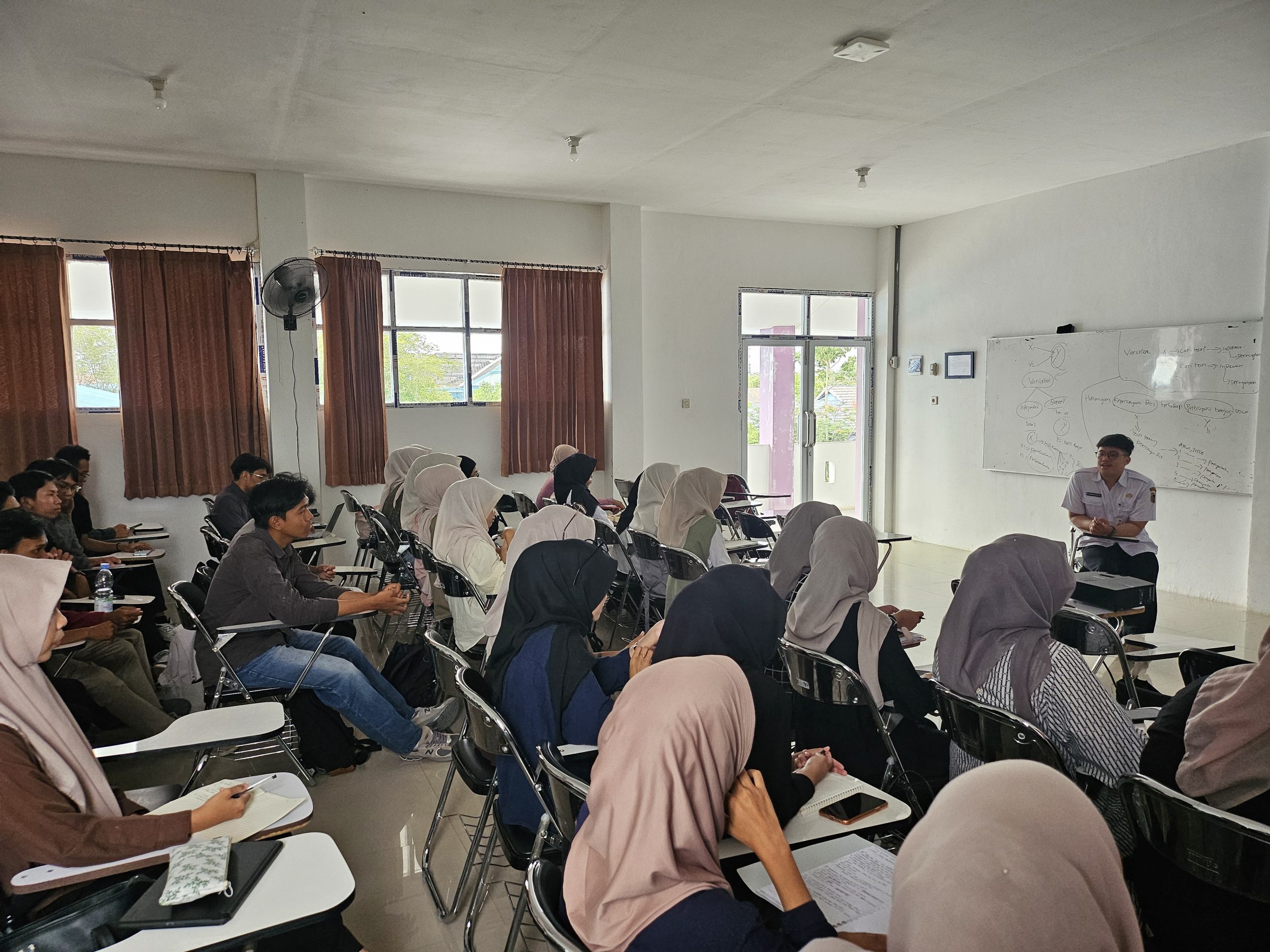
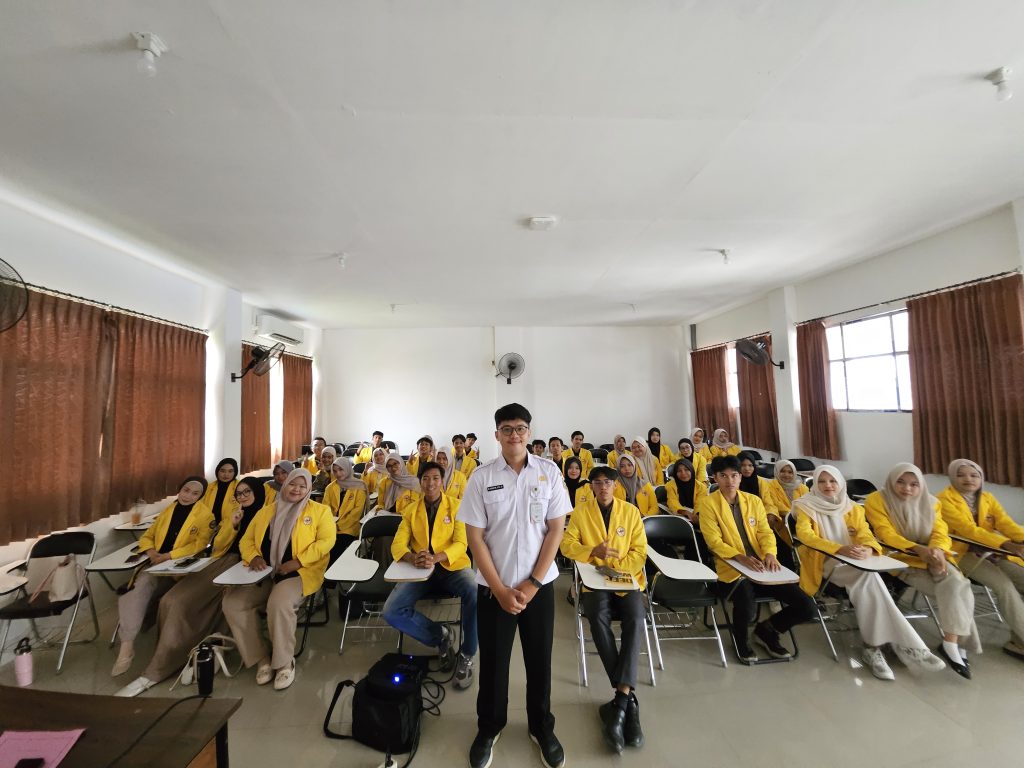
Banjarmasin, September 23, 2026 — The Social Science Education Study Program, Faculty of Teacher Training and Education (FKIP), Universitas Lambung Mangkurat (ULM), conducted a Teaching Practitioner activity as part of the Social Science Learning Media course. The activity featured Muhammad Azhari Mutaqin, S.Pd., Gr., a teacher at SMAN 1 Banjarmasin, as a guest lecturer.
The activity was conducted in two sessions, on Wednesday, September 16, 2026, and Wednesday, September 23, 2026, at Lecture Room 41, FKIP ULM. The sessions were attended by students from the 2024 cohort of the Social Science Education Study Program as part of the learning process in the Social Science Learning Media course.
Enriching Students’ Learning through Practitioner Experience
The involvement of a teaching practitioner provided students with an opportunity to gain practical insights directly connected to educational practices in schools. Through the experience shared by the practitioner, students were able to broaden their understanding of how learning media are developed, selected, and applied to support the learning process.
The activity also provided a learning space for students to connect theoretical concepts discussed in the course with practical experiences in the classroom. This connection is particularly relevant for prospective educators in understanding how learning media can support communication, student engagement, and the achievement of learning objectives.
Developing Learning Media Based on Students’ Needs
In his presentation, Muhammad Azhari Mutaqin explained that the development of learning media needs to be aligned with learning objectives, learning materials, and the needs and characteristics of students. Learning media does not merely function as a tool for delivering instructional content, but can also contribute to creating more engaging and meaningful learning experiences.
The development of learning media also requires teachers to consider the learning environment, available facilities and infrastructure, and the specific conditions of the school. Such considerations are important to ensure that the selected media can be implemented effectively within the actual learning context.
Exploring Various Forms of Learning Media
During the first session, the discussion focused on the process of developing learning media in schools. Students were introduced to various forms of media that can be utilized by teachers, including visual, audiovisual, and digital media.
The selection of learning media should consider several factors, including learning objectives, the characteristics of the subject matter, students’ characteristics, the school environment, and the availability of facilities and infrastructure. These considerations enable teachers to select media that are relevant to the learning context and appropriate for students’ needs.
Applying Differentiated Learning through Learning Media
The second session focused on the application of differentiated learning through learning media. The discussion highlighted how the use of diverse media can provide students with opportunities to experience learning according to their individual needs and characteristics.
Teachers can utilize images, videos, visual media, and interactive media as part of learning strategies. The use of varied media can support different learning experiences while helping teachers create learning activities that are more responsive to students’ characteristics and classroom conditions.
Connecting University Learning with School Practice
For students of the 2024 cohort, the Teaching Practitioner activity provided an opportunity to connect course content with authentic educational practices in schools. The experience shared by the practitioner helped students understand that developing learning media involves more than visual presentation.
Students were encouraged to consider learning objectives, subject matter, school conditions, available resources, and students’ needs when designing and selecting learning media. This practical perspective provides an important foundation for students as prospective educators who will later engage in teaching practice in schools.
Supporting Quality Education and Educational Partnerships