Lambung Mangkurat Social Science Students Plant Mangroves on Curiak Island to Support Environmental Conservation
Lambung Mangkurat Social Science Students Plant Mangroves on Curiak Island to Support Environmental Conservation
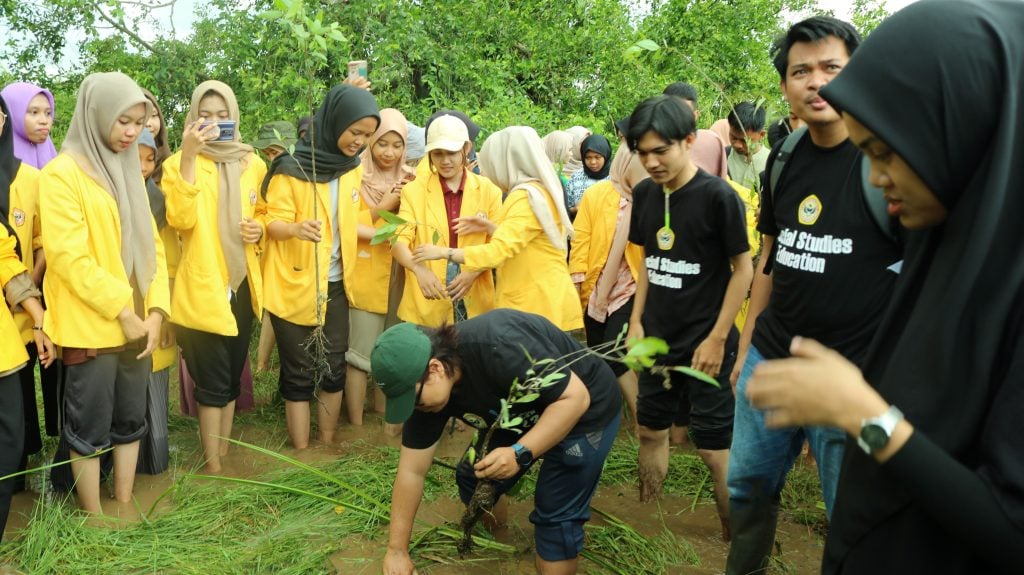
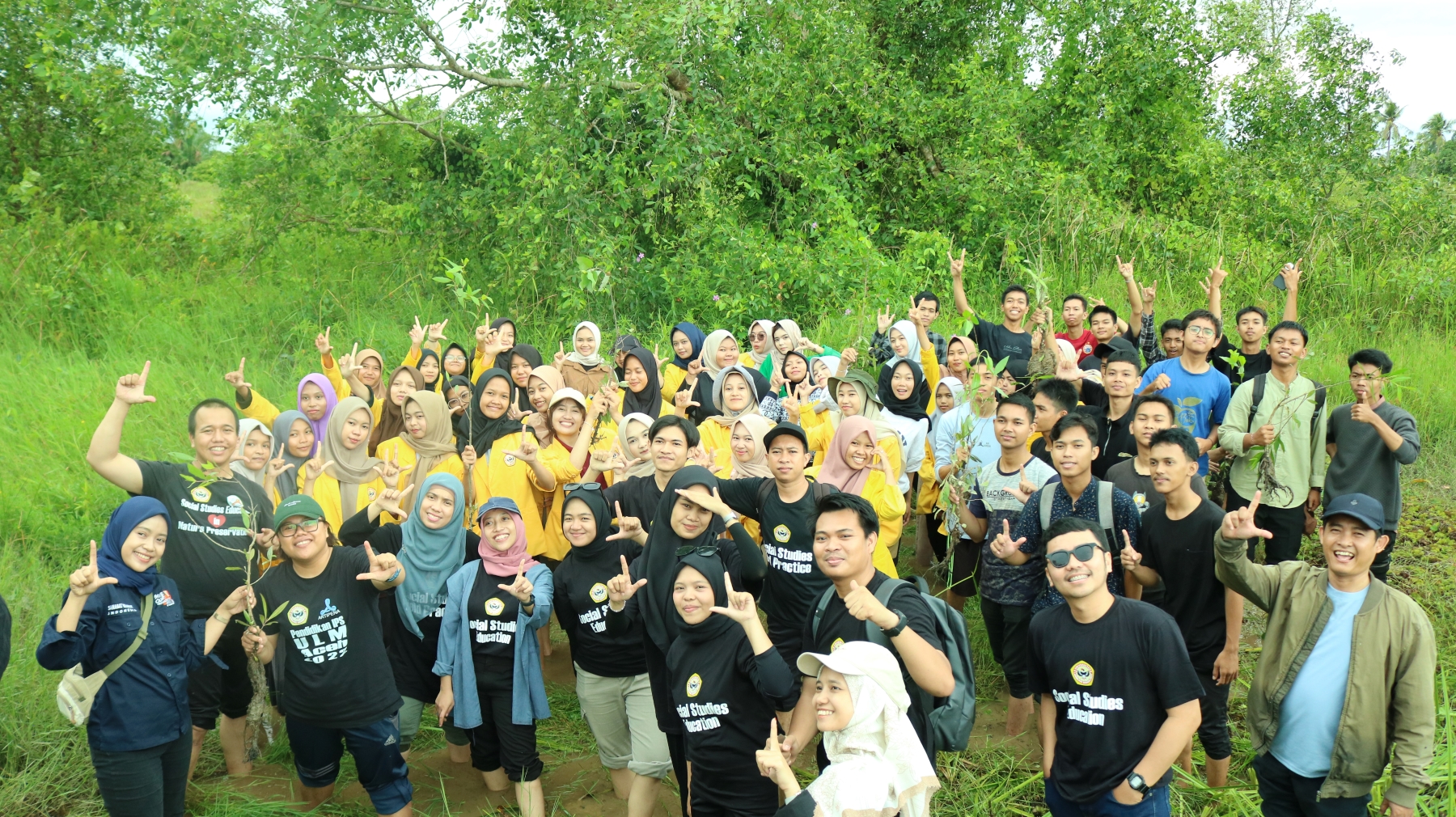
October 31, 2024 – Curiak Island in Barito Kuala was once again the site of mangrove planting, this time by students from the Social Sciences Education Program (PIPS) at the Faculty of Teacher Training and Education (FKIP) of Universitas Lambung Mangkurat (ULM). Taking place on Thursday morning, this activity was more than an annual tradition—it was a hands-on effort to raise environmental awareness among students while supporting the sustainability of South Kalimantan’s ecosystems.
The event, which started at 7:30 AM WITA, saw 55 students from various cohorts in attendance, accompanied by the PIPS Program Coordinator, Dr. Mutiani, and a team of faculty and support staff. The group gathered at Menara Pandang Siring Banjarmasin before crossing to Curiak Island in three boats. After a one-hour journey, they arrived at the Bekantan Research Station – Curiak Island – Mangrove Rambai Center, where the main activities took place.
In her opening remarks, Dr. Mutiani underscored environmental preservation as a key aspect of education. “Planting these mangroves is not only about nature conservation but also instilling a sense of responsibility in students, so they understand that protecting the environment is a duty we all share,” she stated. The planting event began symbolically with Dr. Mutiani planting the first mangrove sapling, followed by students planting saplings in prepared areas, guided by the research team.
Participants were briefed on the importance of mangrove ecosystems and the rules for respecting the protected environment on Curiak Island. Local guides reminded the group to protect the surrounding ecosystem and avoid activities that could disturb the flora and fauna, including the proboscis monkeys—endemic primates now under protection. The mangrove planting was seen as more than just tree planting; it was a part of coastal conservation efforts to prevent erosion, provide habitat for diverse wildlife, and help absorb carbon dioxide to mitigate climate change.
Dr. Mutiani expressed hope that this experience would not only provide students with practical conservation experience but also foster a deeper sense of environmental responsibility. “We want our students to develop environmental awareness and responsibility early on. Our hope is that they carry these values into the future,” she added.
Toward the end of the event, students participated in discussions and a Q&A session about mangrove ecosystems and the proboscis monkey population on Curiak Island. Enthusiasm was high, with students asking numerous questions about environmental issues, reflecting their commitment to understanding the critical role mangroves play in ecosystem health.
Through this initiative, FKIP ULM aims to make a lasting impact on environmental conservation efforts on Curiak Island. The mangrove planting is intended not only to reinforce the island’s ecosystem but also to instill social and environmental responsibility in the younger generation, who are expected to become future leaders with a commitment to nature conservation.