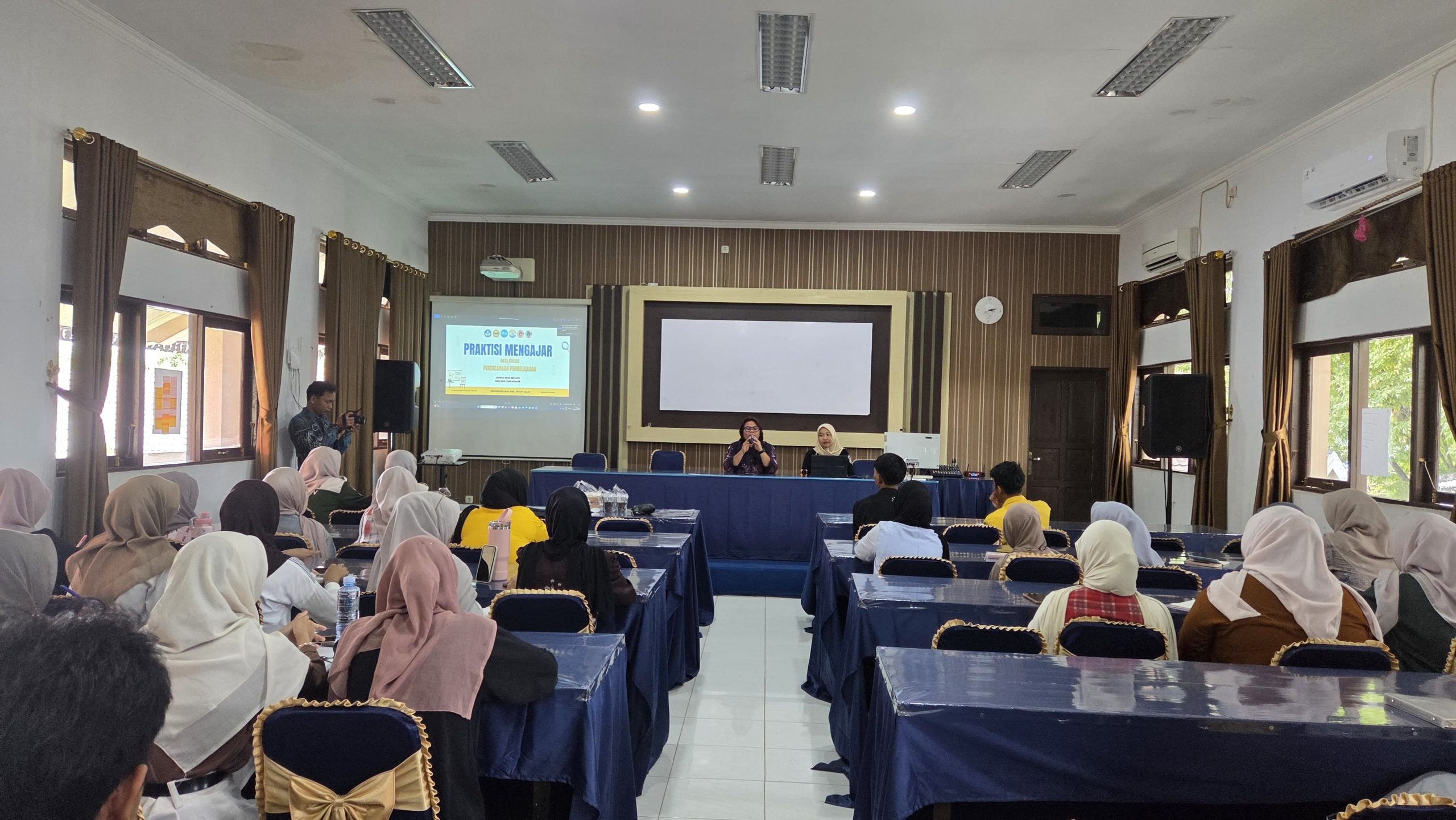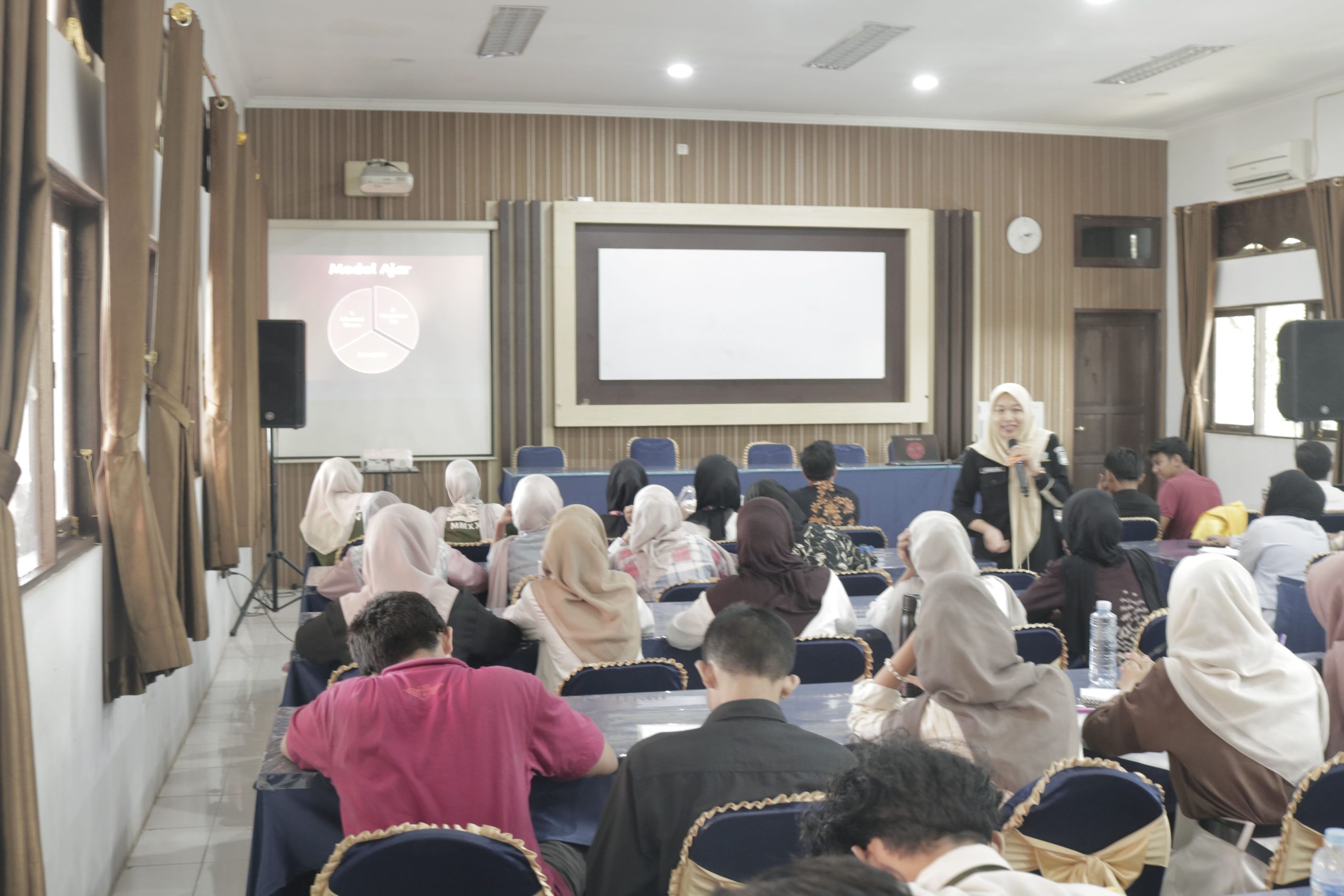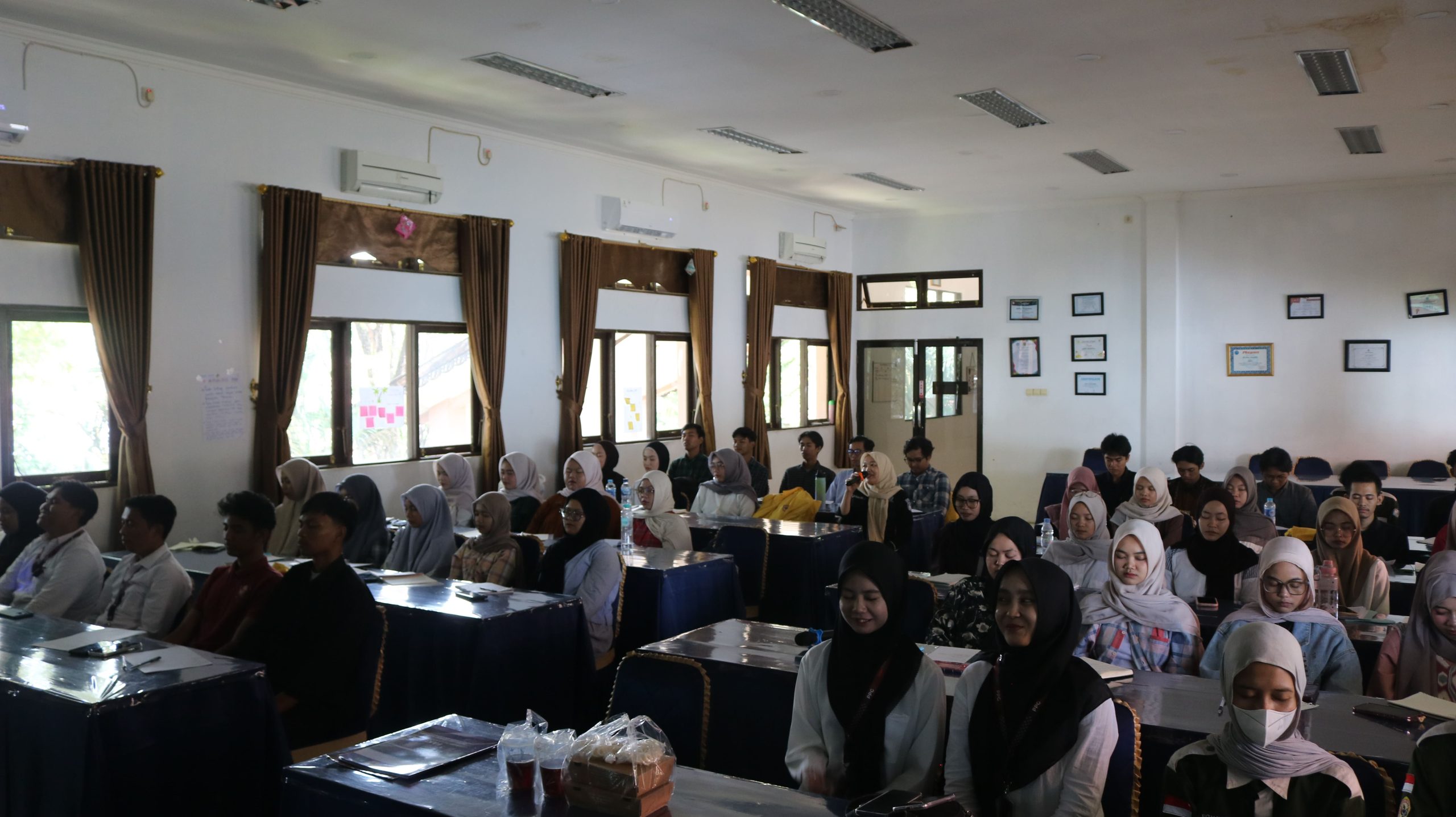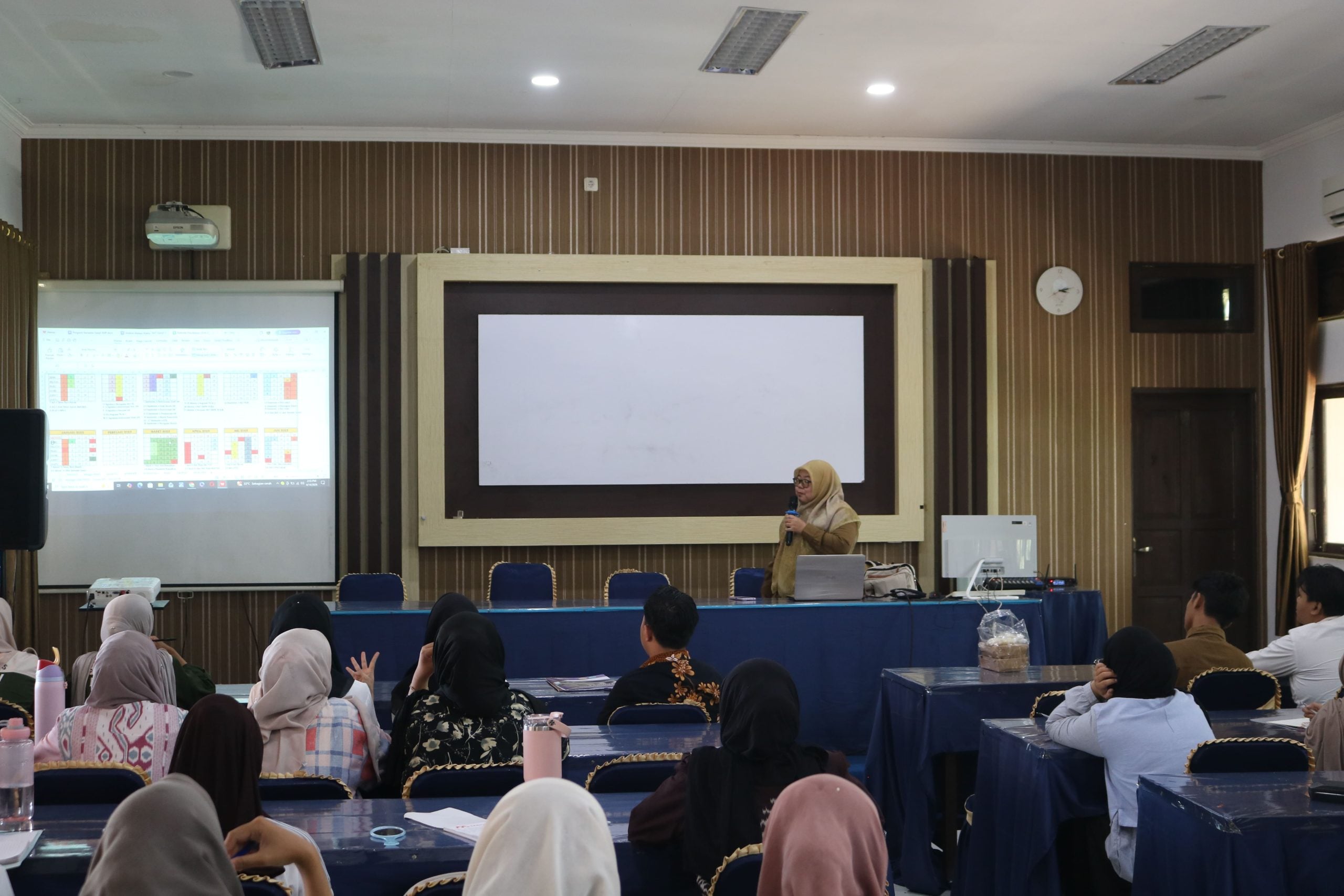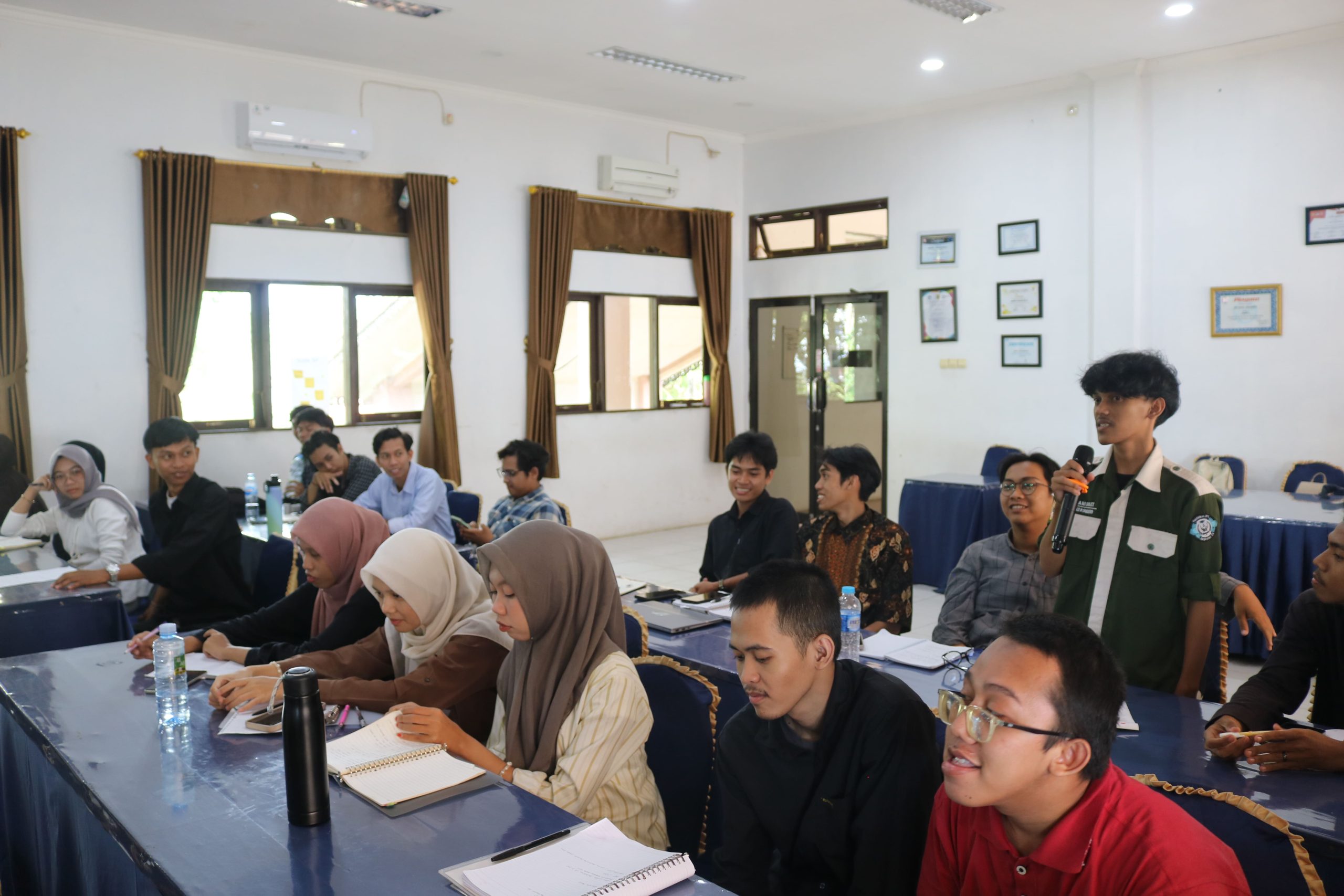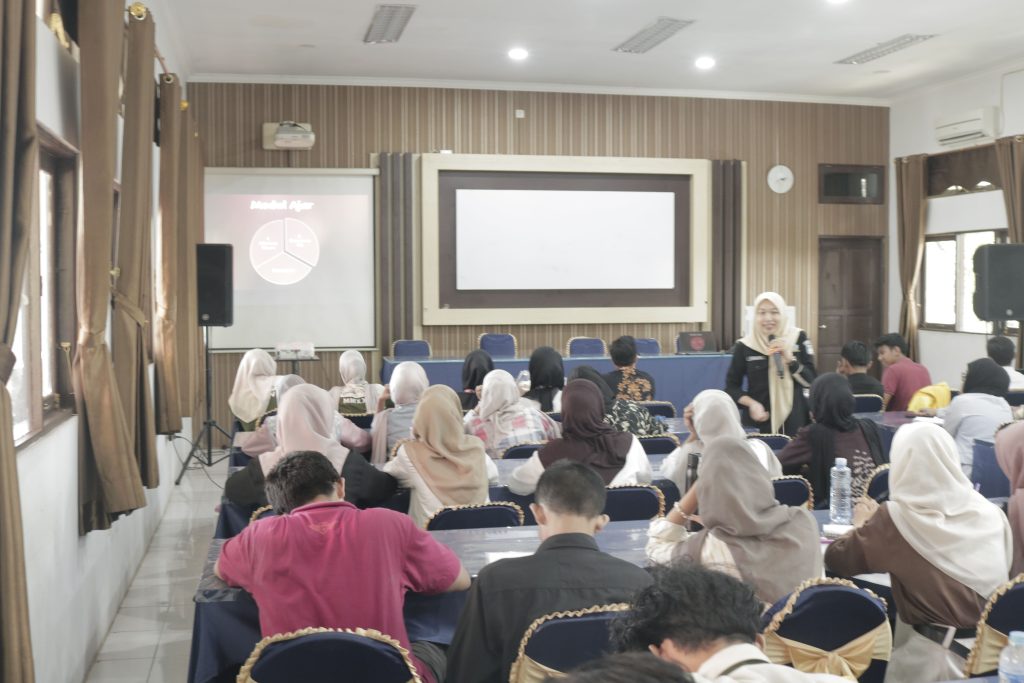
Banjarmasin, April 14, 2026 — The Department of Social Science Education, Faculty of Teacher Training and Education (FKIP), Universitas Lambung Mangkurat (ULM), organized a Teaching Practitioner Program for the Social Science Lesson Planning course as part of its ongoing commitment to strengthening the connection between academic theory and professional practice in education.
The activity was officially opened by Dr. Mutiani, S.Pd., M.Pd., Head of the Department of Social Science Education FKIP ULM. In her opening remarks, she emphasized the importance of continuous professional preparation for education graduates before entering the teaching profession.
“Based on the realities of today’s educational landscape, undergraduate graduates in education cannot immediately enter schools as professional teachers. There is an essential next stage, namely the Teacher Professional Education Program (PPG), which serves as a requirement for professional competence and teaching certification. This highlights the crucial role of PPG in developing pedagogical, professional, social, and personal competencies of future educators,” she stated.
She further emphasized that becoming an educator does not end with academic achievement alone, but requires continuous professional development to effectively fulfill the responsibilities of teaching in today’s dynamic educational environment.
The main speaker of the session was Andinna Mega Siwi, S.Pd., M.Pd., an experienced teacher from SMP Negeri 1 Banjarbaru. As a guest practitioner, she shared her professional experiences in designing and implementing lesson planning in real classroom settings.
During her presentation, she discussed various essential components of lesson planning, including the analysis of Learning Outcomes (Capaian Pembelajaran/CP) in Social Science, formulation of Learning Objectives (Tujuan Pembelajaran/TP), key components of instructional planning within the Merdeka Curriculum, preparation of teaching modules, and practical challenges commonly faced by teachers in schools.
In addition to her role as an educator, Mrs. Andinna is also a certified hypnotherapy practitioner. This unique professional background enriched the discussion by providing students with broader perspectives on effective teaching approaches, classroom communication, and student-centered learning strategies tailored to learners’ needs.
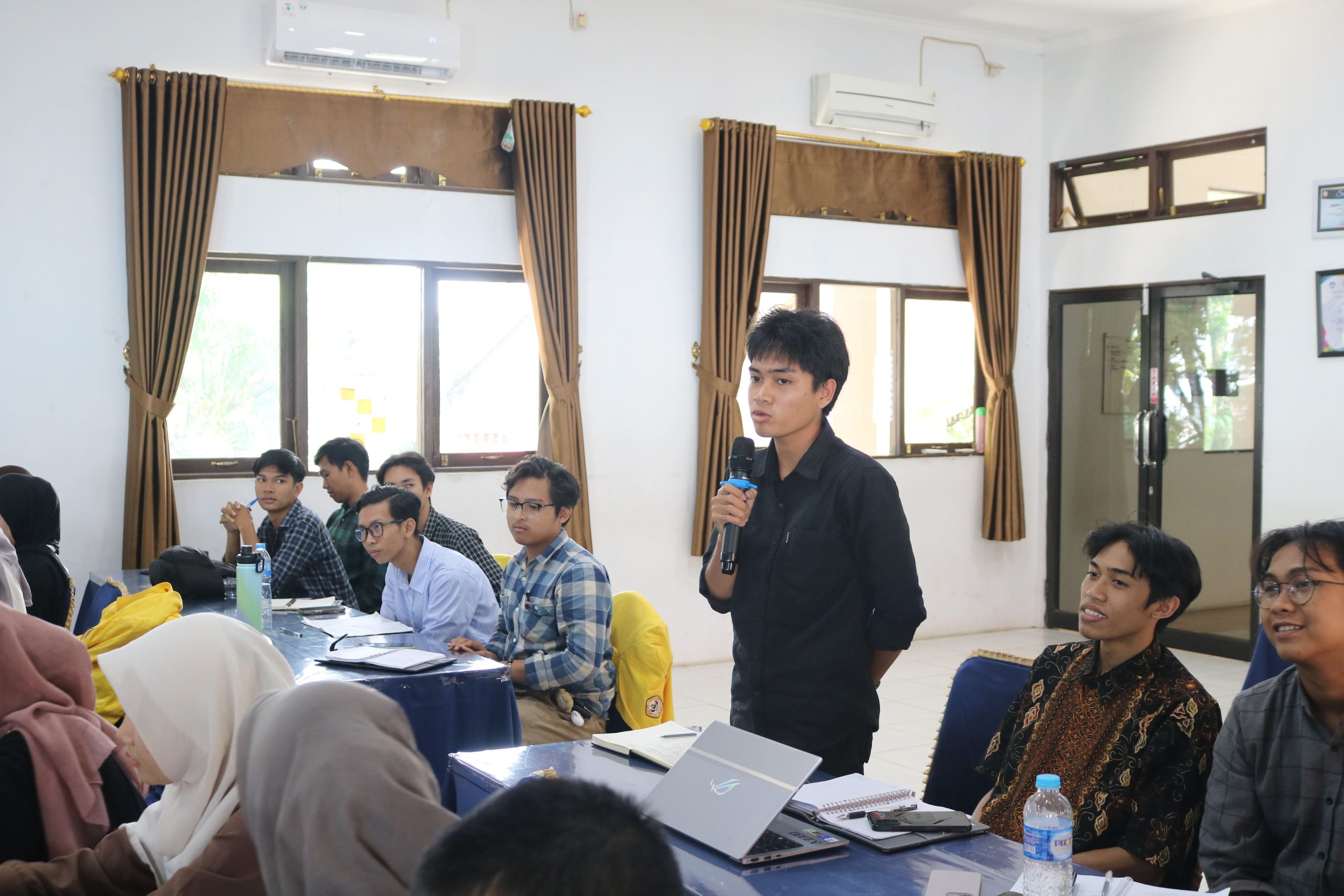
The invited participants consisted of Social Science Education students from the 2024 cohort who are currently enrolled in the Social Science Lesson Planning course. Throughout the session, students actively participated in discussions, demonstrating strong enthusiasm and curiosity toward real-world teaching practices.
The background of this activity lies in the need to bridge the gap between theoretical concepts taught in university classrooms and the practical realities of teaching in schools. As prospective educators, students are expected to develop not only conceptual understanding but also practical competencies in designing meaningful, contextual, and student-oriented learning experiences.
The implementation of the activity began with an opening session, followed by remarks from the department leadership, practitioner presentations, interactive discussions, and question-and-answer sessions. This structured approach allowed students to engage directly with field practitioners and gain practical insights applicable to their future teaching careers.
This Teaching Practitioner Program also contributes to the achievement of the Sustainable Development Goals (SDGs), particularly SDG 4 (Quality Education) by strengthening the pedagogical competence of future educators in designing effective, inclusive, and student-centered learning. Furthermore, the direct involvement of educational practitioners reflects the implementation of SDG 17 (Partnerships for the Goals) through meaningful collaboration between higher education institutions and professional practitioners to sustainably enhance educational quality.
Through this program, the Department of Social Science Education FKIP ULM continues to demonstrate its commitment to producing graduates who are not only academically excellent but also professionally prepared, adaptive, and ready to contribute meaningfully to the future of education.